A frontline kit for staff
A short guide and a local impact sheet every quarter, so anyone on the team can explain how the surplus is reinvested. It works as training first, and then helps in everyday conversations with members.
Four weeks inside Better, the UK leisure service: asking people in person, then shaping a change strategy
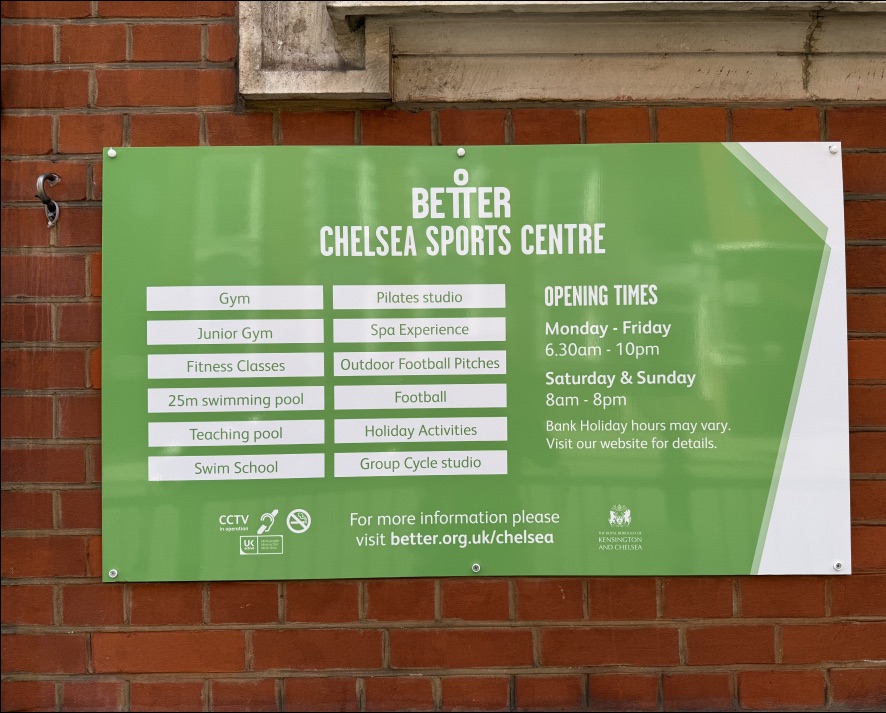
Better is the brand of GLL, a social enterprise that runs leisure centres across the UK. We met members and staff in person to ask why such a strong operating model is seen as little more than a cheap, local gym.
We start at the surface: what Better is, who it serves and how it is run.
Councils were struggling to keep leisure centres affordable.
Private operators risked access for the communities they served.
GLL offered
a third way.
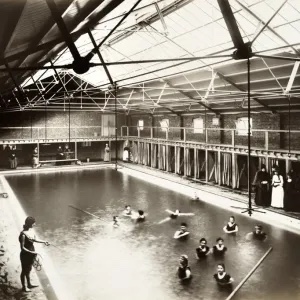
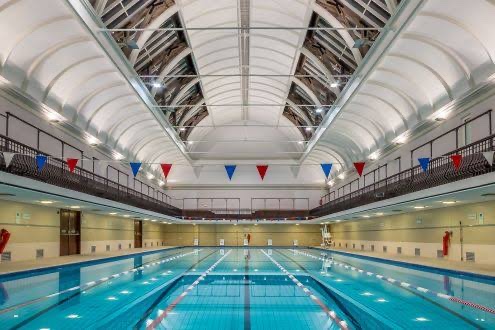
Since the early 2000s, UK councils have been caught between keeping leisure centres running and keeping them affordable. Many of today’s local pools and gyms began life as Victorian public baths.
GLL (Greenwich Leisure Limited) runs leisure like a business, but puts the surplus back into the facilities and communities. Behind the scenes it works with local councils; Better is the brand people meet every day.
It helps people lead more active, healthier lives.
A worker-owned model creates jobs, invests in employees and gives them a stake in the organisation.
Healthier, more active communities can ease pressure on health and care systems.
5
5-star service
3
3-star price
Unlike exclusive commercial chains, Better’s audience is remarkably broad: local families, students and busy professionals, as well as older people, refugees and disabled people. Its own line for it: five-star service at three-star prices
.
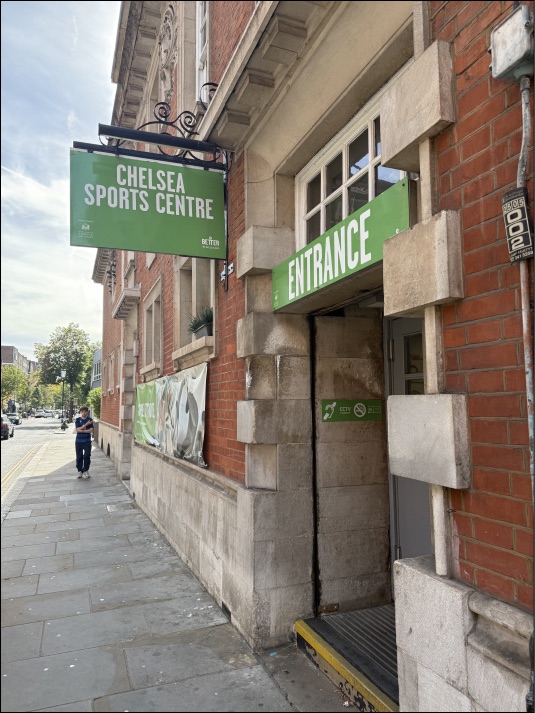
Source: staff interviews at Hammersmith and Chelsea.
One level down. We began with questionnaires and digital ethnography, then met 14 people across London.
First, we cast a wide net.
Questionnaires and digital ethnography gave us an early picture and showed us what to explore further. We did not want to rely on a single source.
Then we chose centres,
in different London boroughs, with different socioeconomic contexts and centre sizes. One centre cannot represent the whole of Better.
split up our strengths,
using collaborative exercises to understand each other and divide the work well.
and rewrote questions in the field.
Real conversations did not always follow our script.
Eleven members and three staff from three centres. Each tile is one person.
Member Staff · Lillie Road Fitness Centre, Chelsea Sports Centre, Hammersmith Fitness Centre
Why people choose Better, why they stay, why they would leave.
“Because it’s close to my house and it’s cheap.”
“Price second, definitely. A close second. But first is definitely location. You have to have a gym that’s close to you.”
Six members answered our price question.
The reinvestment model and the public-health mission were almost invisible to members. Even staff told us they did not know exactly how the money is put back. In our early questionnaire, only 2 of 9 respondents knew GLL is a social enterprise.
“This place is for the community and for families; it’s a community gym, so there is a difference… We have council meetings here and an advice centre here as well.”
“We cannot focus on just one group because we have to look after everybody. We are inclusive.”
Student, junior, senior, resident, corporate, seven-day and 30-day passes. Yet someone who only wants the gym cannot buy a gym-only membership.
“I’ve looked online and I have no idea what to do.” A new member, as told by a Lillie Road trainer
Class bookings open at 10 pm and the app struggles. Some iPhone users lose signal at the entrance and have to step outside and back in.
“The booking app can also become slow, especially around 10 pm.” Staff member, Chelsea
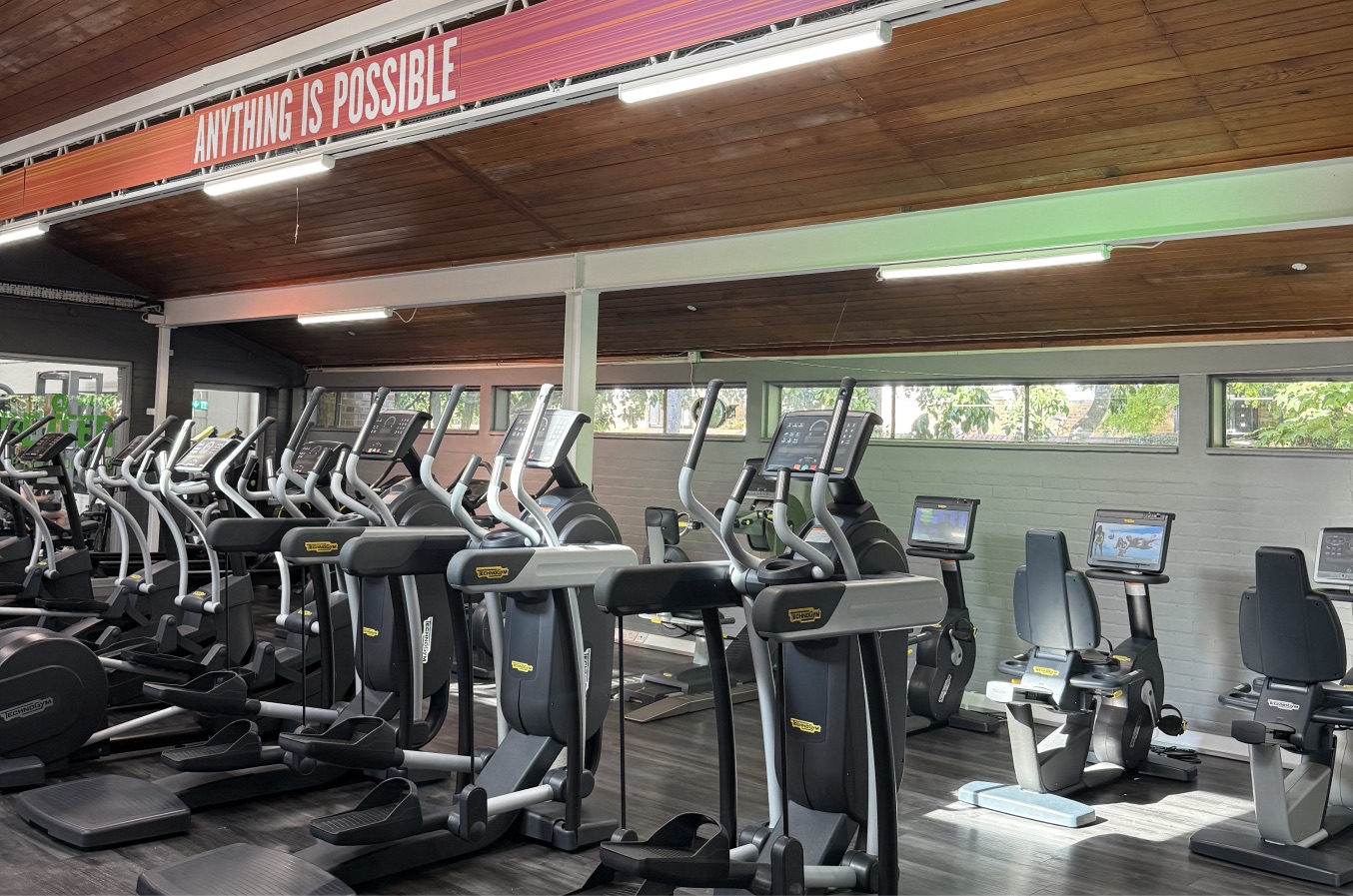
People’s first questions are about facilities: what there is, and how big the gym is. The interior photos online look very different from today.
“They think that gym is really small from the way you currently view it.” Trainer, Lillie Road
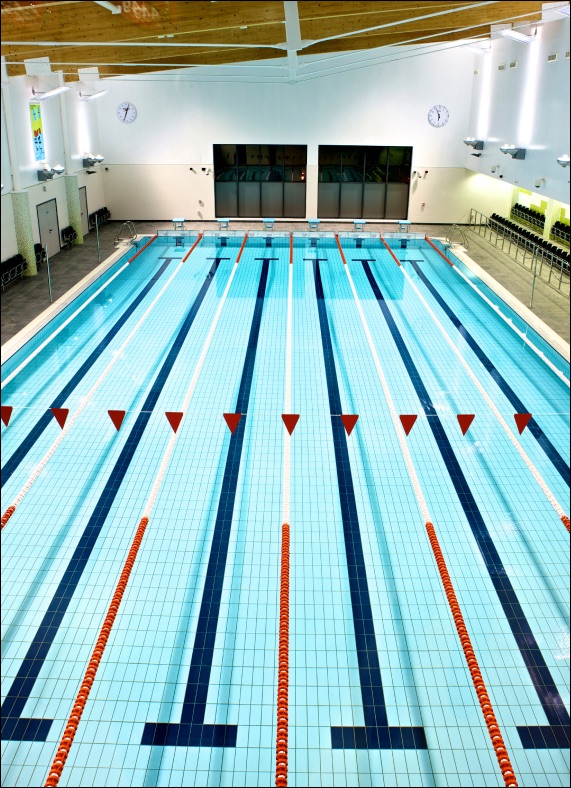
“Swimming pool, never ever have a profit… Always is a cost.”
GLL reinvests its surplus back into community facilities and maintains heavy-loss public infrastructure like swimming pools.
GLL is expanding quickly across the UK, yet its centres behave like separate local sites. They do not add up to a force that shapes UK leisure culture or public-health equity.
We compared it with Airbnb’s structural paradox: spaces are commercialised, but the value flows into the platform rather than staying with local communities.
So the real challenge is not the app’s interface. It is bridging the gap between local operations and national social impact.
We come back up with the gap we found, and one strategy to close it.
“Our purpose is to improve the physical, mental and social wellbeing of local communities.”
We change and add touchpoints inside the service so members can see the social value they already pay into. When the value is seen, people stay for more than price.
For a brand, success means being recognised. For a social enterprise, that recognition pays off when it keeps people coming back.
*A hypothesis to test, not a result.
Better’s Instagram already tells its story well, to the people who follow it. Our research found the gap somewhere else: inside the centres, where members who visit every week still saw a cheap local gym. So the strategy works on the service itself, at the moments members already pass through.
Now
A short guide and a local impact sheet every quarter, so anyone on the team can explain how the surplus is reinvested. It works as training first, and then helps in everyday conversations with members.
Mark what the surplus paid for, right where members meet it: new equipment, a refurbished changing room, the pool.
Next
Better already runs community events, from senior clubs to Chinese New Year and Ramadan. Present each event as made possible by the members of Better.
Later
Prices are agreed with each council, but they will need to rise with inflation over time. When they do, members who already understand the value behind them are more likely to accept the change, so Better can keep its easy access without losing people.